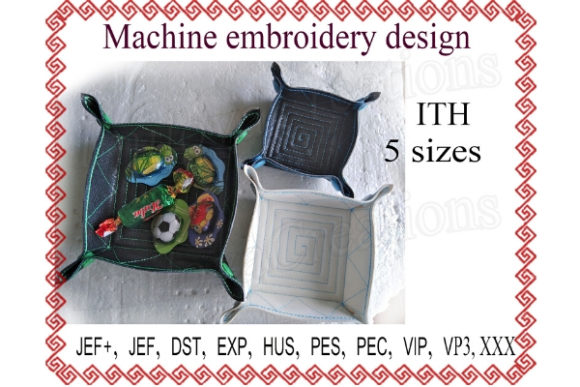
Snap Tray Embroidery Design Review
First Impressions: A Playful Yet Functional Design
At first glance, the Snap Tray embroidery design feels like a perfect blend of whimsy and practicality. It’s not overly complicated, but it carries enough detail to stand out on fabric without overwhelming it. The layout is balanced, with clean lines and subtle shading that give it a soft, approachable mood. I can immediately see this design fitting well into custom apparel, especially for younger audiences or playful branding.
The theme feels versatile—like something that could work as a personalized gift, a boutique product, or even a small shop merch item. The shape and visual personality remind me of a classic kitchen accessory, which makes me think of how it might look stitched onto a tote bag or apron. It’s a design that doesn’t scream for attention but still manages to be memorable.
Real-Life Use: Testing Snap Tray on a Custom Tote Bag
To get a better sense of how Snap Tray would perform in real-life embroidery, I tested it on a custom tote bag. I chose a medium-weight cotton canvas, which is a common choice for tote bags and offers good stability for embroidery. I used a 5x7 hoop size, which felt just right for the design’s dimensions.
The stitch density was moderate, which meant the design didn’t feel too heavy on the fabric. The satin stitches gave the tray a slight raised texture, adding dimension without making the design feel bulky. The fill stitches were consistent, and I didn’t notice any skipped stitches or uneven areas after completing the project.
I also tested it on a light-colored fabric and a dark fabric to see how the thread color contrast played out. On the lighter fabric, the design looked crisp and vibrant, while on the darker fabric, I had to use a slightly brighter thread to ensure visibility. This shows that Snap Tray is adaptable, but careful thread selection is key for optimal results.
One thing I noticed was that the design worked particularly well on flat surfaces like tote bags and pillow covers. However, if I were to use it on a curved surface like a cap or hat, I’d need to adjust the placement and possibly use a stabilizer to prevent shifting during stitching.
Where to Use Snap Tray with Caution
While Snap Tray is a solid design, there are certain scenarios where it may require extra care. For instance, using it on small hoop sizes could lead to distortion or loss of detail, especially in the smaller elements of the design. I recommend checking the recommended hoop size before starting your project.
On textured fabrics or thin materials, the design may not hold up as well. Adding a proper stabilizer is essential here to maintain the integrity of the stitches. If you're working with stretchy fabric, like knits, I’d suggest using a tear-away stabilizer underneath to prevent puckering.
Additionally, Snap Tray has some intricate details that might be challenging on very small items, such as patches or tiny embellishments. It’s best suited for larger surfaces where the design can breathe and show off its full character.
Visual Appeal and Customer Impact
The Snap Tray design adds a touch of charm to any handmade product. Whether it's a personalized gift, an Etsy listing, or a commercial embroidery project, it brings a sense of quality and thoughtfulness to the finished product. Customers are likely to appreciate the attention to detail and the way it enhances the overall look of the item.
For small business owners or crafters selling embroidered products, this design can help elevate their brand. It contributes to a professional appearance and builds trust with buyers who value quality and aesthetics. When paired with other design assets, it can create a cohesive collection that appeals to a wide range of customers.
It’s also worth noting that Snap Tray has a strong visual presence that can be used as a signature element in branding or packaging. Its versatility makes it a great addition to holiday embroidery projects or seasonal merchandise.
Practical Embroidery Designer Notes
If you're planning to use Snap Tray in your next embroidery project, here are a few tips to keep in mind:
- Test on scrap fabric: Always do a test run before committing to your final product. This helps identify any potential issues with stitch density or thread colors.
- Check thread color contrast: Ensure the thread colors work well with your chosen fabric background. Light and dark variations can dramatically affect the final outcome.
- Review stitch density: If the design is too dense, it may cause tension issues or damage delicate fabrics. Adjustments may be necessary depending on the material.
- Confirm hoop size: Make sure your hoop size matches the design’s requirements to avoid distortion or incomplete stitching.
- Inspect small details: Look closely at the design for any tiny elements that may not translate well when stitched.
- Test in black and white mockups: This can help you visualize how the design will look on different fabric backgrounds before finalizing your thread choices.
- Use proper stabilizer: Especially important for stretchy or thin fabrics, a good stabilizer ensures your stitches remain intact and neat.
- Check licensing: Before selling finished items or digital products, confirm whether the design allows for commercial use.
Overall, Snap Tray is a well-crafted machine embroidery design that offers both visual appeal and practical application. It’s a great option for anyone looking to add a touch of personality to their handmade products, whether for personal use or commercial purposes. With the right preparation and attention to detail, it can become a standout feature in your embroidery projects.